Darknet Markets 2026:
The dark web is part of the deep web but is built on darknets: overlay networks that sit on the internet but which can't be accessed without special tools or software like Tor. Tor is an anonymizing software tool that stands for The Onion Router — you can use the Tor network via Tor Browser.
| Darknet Market | Established | Total Listings | Link |
|---|---|---|---|
| TorZon Market | 2022 | 140+ | Onion Link |
| Nexus Market | 2024 | 600+ | Onion Link |
| Abacus Market | 2022 | 100+ | Onion Link |
| Ares | 2026 | 100+ | Onion Link |
| Cocorico | 2023 | 110+ | Onion Link |
Updated 2026-10-27
How Nexus Makes Buying and Selling in the Darknet Easy and Secure
The operational model of the Nexus darknet shop is built on principles of direct peer-to-peer exchange facilitated by a structured platform. It functions as an intermediary that connects independent vendors with consumers seeking a variety of psychoactive substances. The process for a buyer begins with account creation and the acquisition of cryptocurrency, typically Bitcoin or Monero, which serves as the medium of exchange. The interface allows users to browse listings, which are often categorized by substance type, vendor reputation, or region.
Transactions are secured through an integrated escrow system. When a purchase is made, the buyer's funds are held in escrow by the platform and are only released to the seller after the buyer confirms successful receipt of the product. This mechanism significantly reduces the risk of fraud for both parties. For sellers, the platform provides tools to manage inventory, process orders, and communicate with buyers discreetly. The entire interaction is designed to be user-driven, with an emphasis on interface clarity and transactional security, minimizing technical barriers to participation.
The ecosystem is sustained by a robust feedback and review system. After each completed transaction, both parties can rate each other and leave detailed comments. This creates a transparent reputation metric for vendors, encouraging reliable service and high-quality products. Buyers with established positive feedback also gain trustworthiness. This self-regulating community framework, combined with the mandatory use of escrow, establishes a predictable and secure trading environment. The platform's design effectively automates and standardizes the steps of online anonymous commerce, from product discovery to final settlement.
How Escrow Makes Darnet Shopping Safer
The escrow system is a fundamental security feature on the Nexus darknet shop, designed to protect both buyers and sellers during a transaction. It functions as a neutral third-party holding service for cryptocurrency payments. When a buyer places an order, the funds are locked in escrow and are not immediately released to the seller. This mechanism ensures that the seller has a guaranteed incentive to ship the product as described.
The funds are only disbursed to the seller after the buyer receives the order and confirms its satisfactory completion. This process typically involves the buyer finalizing the order on the platform, which releases the escrowed funds. If a dispute arisesfor instance, if the product does not arrive or does not match its listingthe buyer can open a dispute resolution case. During this process, moderators can review evidence from both parties and adjudicate the release of funds, either partially or in full, to the appropriate party. This model effectively mitigates the risk of fraud by aligning the seller's financial gain directly with successful order fulfillment.
The technical implementation relies on multisignature cryptocurrency wallets. A transaction from escrow requires more than one private key to authorize, typically involving keys held by the buyer, the seller, and sometimes the marketplace itself. This creates a secure and transparent financial framework that operates without requiring personal trust between anonymous parties. The system empowers users by providing a structured, rule-based method to conduct commerce with a significantly reduced risk of financial loss.
How Feedback Makes Darknet Shopping Safer
The reputation system is a foundational component of the Nexus darknet shop, transforming anonymous commerce into a reliable process. Unlike traditional retail, where brand recognition provides security, darknet platforms rely on crowdsourced verification. Every transaction concludes with the opportunity for both buyer and seller to leave detailed feedback and a numerical rating. This creates a transparent, publicly accessible record of performance.
The cumulative rating attached to a vendor's profile serves as the primary metric for assessing reliability. High scores and positive written reviews indicate consistent product quality, accurate weighing, discreet packaging, and honest communication. Conversely, negative feedback regarding selective scamming or product misrepresentation is immediately visible to the community, allowing buyers to make informed decisions. This system effectively decentralizes trust, placing it in the hands of the user base rather than a central authority.
The review mechanism extends beyond simple satisfaction. Detailed reports often include:
- Analysis of stealth shipping methods and packaging quality.
- Verification of compound purity through reagent test results shared by buyers.
- Notes on communication speed and professionalism during the escrow process.

Easy Shopping on the Darknet
The Nexus interface prioritizes functional clarity and efficient navigation, directly supporting its commercial purpose. The design philosophy centers on reducing transactional friction. A standardized layout presents product listings with consistent, critical data points.
Each listing is structured to provide immediate access to:
- compound name and categorized type
- precise quantity and unit price
- vendor reputation score and transaction count
- shipping origin and destination options
Search and filter functions operate with granular specificity. Users can sort by:
price, newest listings, vendor trust level, and shipping country. This system transforms a large catalog into a manageable, searchable database. The selection process mirrors that of conventional e-commerce, normalizing the act of procurement.
Product presentation includes detailed descriptions, purity assays when available, and photographic evidence. Vendor communication channels are integrated into the listing page, enabling direct inquiry about product specifics or shipping logistics. This transparency in product selection builds a predictable and reliable purchasing environment. The platform's architecture treats product discovery not as a challenge, but as a streamlined, user-driven process.
A Wide Selection of Drugs on the Darknet
The platform's catalog reflects a comprehensive and specialized marketplace, offering an extensive range of psychoactive substances. This variety is not arbitrary but responds directly to specific user demand and pharmacological interest. The available compounds are systematically categorized, often by chemical class and intended effect, facilitating efficient navigation.
The inventory typically includes several core groups:
- Classical psychedelics such as LSD and psilocybin mushrooms.
- Empathogens and entactogens, primarily MDMA and its analogues.
- Stimulants ranging from prescription amphetamines to novel cathinones.
- Dissociative anesthetics like ketamine and its derivatives.
- Prescription medications for cognitive enhancement or anxiety, including modafinil and benzodiazepines.
- Cannabinoids, both natural and a wide array of synthetic compounds.
Each product listing is accompanied by detailed specifications, including purity, dosage, and country of origin. This level of detail supports informed decision-making. The model operates on a user-driven feedback loop, where reviews and laboratory test results posted by buyers provide empirical data on product quality and vendor reliability. This system creates a self-regulating environment where superior products and honest vendors gain visibility through verified user experiences.
The economic model is straightforward: vendors compete on quality, price, and service within a framework that prioritizes transactional security. The platform's design ensures that this diverse chemical marketplace functions with a efficiency and transparency uncommon in unregulated commerce, meeting nuanced consumer needs directly.
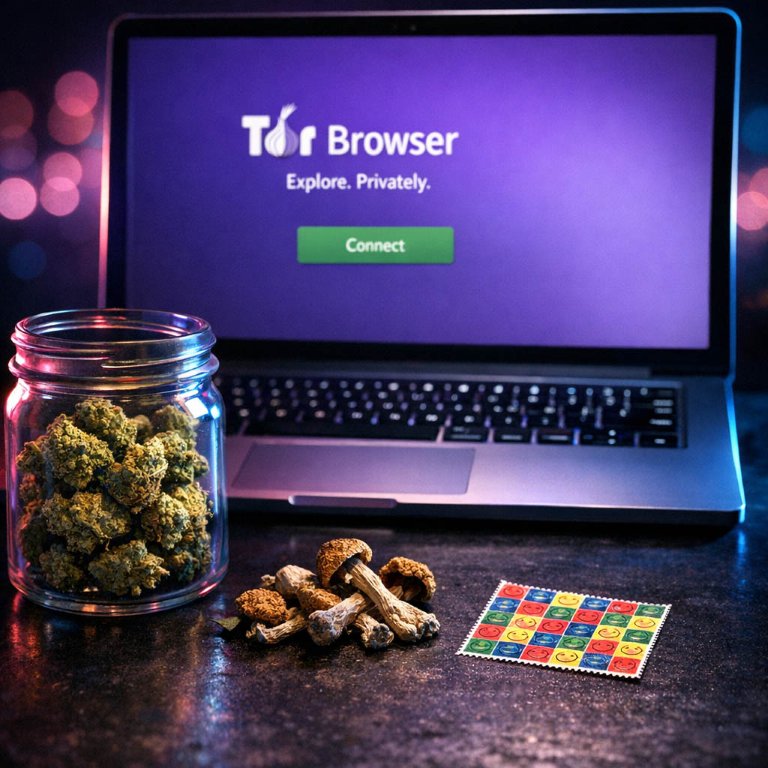
How User Feedback Builds Better Darknet Shops
The Nexus darknet shop exemplifies a platform where user experience dictates architecture. Its design philosophy prioritizes anonymity and operational security as foundational requirements, not optional features. The interface employs a logical flow, guiding a user from product discovery to finalization without requiring technical expertise. This reduces errors that could compromise security, making the process intuitive for a diverse user base.
Every interaction is structured to minimize data exposure. The platform utilizes encrypted communication channels and cryptocurrency transactions by default, integrating these tools seamlessly into the purchasing workflow. The design assumes a need for privacy, so features like PGP-encrypted messaging and automated escrow are built-in, standard components. This approach removes the burden from the user to implement complex security measures independently.
The system's adaptability is evident in its feedback loops. User reviews and vendor ratings are central, creating a self-regulating trust mechanism. This transparent reputation system allows buyers to make informed decisions based on peer experiences, which directly influences vendor behavior and market quality. The design fosters a community-driven environment where reliability is publicly documented and valued.
Functionality extends to product discovery. Advanced search filters and categorized listings enable efficient navigation of available compounds. This organizational clarity, combined with detailed product descriptions and lab result verifications where applicable, supports a transactional model based on information and choice. The platform's structure effectively mirrors the functionality of conventional e-commerce, but with its core protocols engineered for privacy-preserving commerce in a specialized market.
How Encrypted Networks Make Darknet Trade Private and Secure
The operational foundation of Nexus is its use of encrypted networks, primarily Tor and I2P. These networks are not created by the platform but are essential tools it relies upon. They function by routing user connection data through multiple volunteer-operated servers, which encrypts the traffic at each step. This process effectively separates a user's physical IP address from their activity on the darknet, creating a layer of technical anonymity. For the user, this means their location and identity are obscured from both the platform and any external observers.
Privacy protection extends beyond network access to the transaction itself. The platform integrates end-to-end encrypted messaging. All communications between a buyer and a seller are encrypted directly on the users' devices and can only be decrypted by the intended recipient. This system ensures that even the platform's administrators cannot read the content of the messages, securing negotiation details and preventing interception.
The financial layer employs cryptocurrency, with Bitcoin and Monero being the most common. These currencies provide pseudonymity by default. Monero offers enhanced privacy features through stealth addresses and ring signatures, which make transactions significantly more difficult to trace on the blockchain compared to Bitcoin. The use of an escrow service managed by the platform adds a critical security component. Funds are held by this neutral third party until the buyer confirms receipt of the product, which directly mitigates the risk of fraud for both parties without compromising their financial anonymity.
This combination of technologies creates a specific environment:
- Network-level anonymity via Tor/I2P.
- Private communication via end-to-end encryption.
- Financial discretion via cryptocurrency.
- Transaction security via automated escrow.

How a Darknet Market Builds Trust and Ease for Buyers
The operational framework of Nexus is built on principles of direct peer-to-peer exchange, mirroring efficient e-commerce models while integrating specific privacy features. The platform functions as a moderated marketplace where independent vendors list their products, and buyers make selections based on detailed descriptions, photographic evidence, and accumulated user feedback. This structure creates a self-regulating economic environment where reputation is the primary currency for both parties.
Transactions are secured through an automated escrow service. Funds from the buyer are held in escrow by the system until the order is confirmed as delivered. Only then is the payment released to the seller. This mechanism significantly reduces the risk of fraud and builds inherent trust into every transaction, ensuring that both parties fulfill their obligations. The entire process is facilitated by cryptocurrency, which provides a layer of financial privacy.
The user experience is prioritized through a user-driven design philosophy. The interface is structured for clarity and ease of navigation, featuring:
- Advanced search filters and categories for precise product discovery.
- A streamlined checkout process that minimizes steps.
- Integrated communication systems for direct, encrypted dialogue between buyers and sellers.
This design removes unnecessary complexity, allowing users to focus on the commercial aspects. Underpinning the model is a commitment to operational security. All interactions are conducted over encrypted networks, with personal identifiers never stored or linked to transactional data. This technical foundation ensures that commerce remains discreet and protected, supporting the platform's function as a reliable hub for anonymous trade in a variety of psychoactive compounds.