Darknet Markets 2026:
The dark web is part of the deep web but is built on darknets: overlay networks that sit on the internet but which can't be accessed without special tools or software like Tor. Tor is an anonymizing software tool that stands for The Onion Router — you can use the Tor network via Tor Browser.
| Darknet Market | Established | Total Listings | Link |
|---|---|---|---|
| TorZon Market | 2022 | 140+ | Onion Link |
| Nexus Market | 2024 | 600+ | Onion Link |
| Abacus Market | 2022 | 100+ | Onion Link |
| Ares | 2026 | 100+ | Onion Link |
| Cocorico | 2023 | 110+ | Onion Link |
Updated 2026-10-27
How to find a good darknet link for shopping
Accessing a darknet market begins with obtaining a reliable direct link or .onion URL. These links are typically found on specialized forums and link aggregators, which function as community hubs. The stability and authenticity of a link are primary indicators of a market's operational health. A market that consistently maintains its address and provides mirror links demonstrates a commitment to service reliability and user access, forming the foundational step for secure entry.
Once inside, the architecture of a modern darknet is designed for efficient navigation. The best platforms feature a clean, searchable interface with detailed product categories. This organization is not merely for convenience; it reflects a professional operational standard. A well-structured marketplace allows users to quickly filter and compare listings, making the initial product discovery phase straightforward and systematic. This reduces time spent on navigation and increases the time available for evaluating the core aspects of a potential transaction: the vendor and the terms of sale.
How to find a good darknet market for safe shopping
Locating a functional darknet market is the first step, but identifying the best one for safe and private shopping requires a methodical approach. The ecosystem is self-regulating, with user feedback and Bitcoin transactions forming its core pillars. A market's reputation is built directly on the transparency of its vendor review system. Potential buyers examine detailed ratings and written testimonials about product quality, shipping speed, and stealth. This collective intelligence filters out unreliable sellers and highlights those with consistent performance, making the review section the most critical tool for risk assessment.
Financial privacy is maintained through cryptocurrencies, primarily Bitcoin (BTC) and privacy-centric coins like Monero (XMR). Transactions are pseudonymous and recorded on a public ledger, but best practices involve using a personal wallet as an intermediary, not sending funds directly from an exchange. The market's integrated escrow service is non-negotiable for security. Funds are held by the platform until the buyer confirms satisfactory receipt of the goods, which protects against scams and incentivizes honest trade. This combination of crowdsourced verification and secured financial mechanics creates an environment where commerce can proceed with a high degree of predicted reliability for all involved parties.
Using Reviews to Find a Good Darknet Vendor
User reviews form the primary trust mechanism on a darknet market. A seller's reputation, quantified by a feedback score and detailed in written reviews, directly correlates with transaction reliability. Positive reviews consistently highlight product quality matching the description, stealth in packaging, and prompt shipping. These reviews are more credible than traditional e-commerce feedback due to the higher personal stake involved.
Analyzing feedback requires looking beyond the aggregate score. A high-volume seller with a 4.8/5 rating over thousands of sales is generally a safer bet than a new vendor with a perfect but limited history. Critical reviews provide specific data points:
- Reports of underweight product indicate a dishonest vendor.
- Complaints about delivery times point to logistical issues or a vendor's geographical location.
- Praise for superior stealth methods or exceptional communication identifies vendors who invest in operational security and customer service.
This system creates a self-regulating environment where vendors are financially incentivized to maintain high standards. Buyers mitigate risk by selecting sellers whose reviewed performance demonstrates consistency. The escrow system reinforces this, as funds are only released after the buyer confirms satisfaction, making the review an integral part of the final settlement.

How Escrow Keeps Your Darknet Trades Secure
Escrow services are the fundamental mechanism for secure transactions on a darknet. When a buyer initiates a purchase, their cryptocurrency is held by the market's escrow system, not released directly to the seller. This creates a protected environment where the seller is motivated to ship the product as described, knowing payment is secured. The buyer can then inspect the received goods and confirm they match the listing before the funds are finalized. Only after the buyer's confirmation does the escrow release the bitcoin to the vendor.
This system directly mitigates the risk of fraud. It transforms a potentially risky direct exchange into a moderated process with a clear, safe outcome for both parties. For the buyer, it provides a powerful tool to ensure product quality and vendor accountability without relying on trust alone. The escrow model is a primary reason these platforms can facilitate reliable commerce, as it aligns the interests of the buyer and seller towards a successful, completed trade.
How Darknet Markets Enable Safe, Private Trade
Full anonymity is the operational standard on reputable darknet markets, enabling secure commerce. This is achieved through a mandatory combination of the Tor network and end-to-end encrypted messaging. Tor anonymizes the user's connection and location, while the market's internal messaging system, which often uses PGP encryption, ensures that communications between buyer and seller cannot be intercepted or read by third parties, including the market administrators themselves.
This environment allows for detailed, private negotiation and customer service. Buyers can discuss product specifics, shipping preferences, or any concerns directly with the vendor without compromising their identity. The use of cryptocurrency like Bitcoin or Monero completes the anonymous loop, as these transactions are pseudonymous and not directly tied to real-world identities when handled correctly. The entire process, from browsing to finalizing a deal, is conducted within this encrypted framework, making darknet commerce a model of discrete, peer-to-peer trade.

Simple and Safe Payments for Darknet Shopping
The transaction process on a leading darknet is engineered for privacy and finality. Cryptocurrencies, primarily Bitcoin (BTC) and Monero (XMR), are the exclusive payment methods. Their decentralized nature ensures that financial interactions are not linked to real-world identities, provided basic operational security is maintained. The payment flow is integrated with the platform's escrow system: funds are released to the seller only after the buyer confirms successful receipt of the product. This mechanism aligns the seller's incentive to deliver with the buyer's need for security.
Bitcoin's transparency on its public ledger is mitigated by using new addresses for each transaction and optional tumbling services. However, the privacy-centric cryptocurrency Monero is increasingly favored for its obfuscated blockchain, which automatically conceals transaction details. For efficient shopping, a buyer must:
- Fund a private wallet with cryptocurrency before accessing a market.
- Verify the exact payment amount, including the network fee, during checkout.
- Send only the specified sum to the unique, one-time address generated by the market's escrow.
This financial model, supported by cryptographic security, eliminates traditional payment disputes and chargebacks. The irreversible nature of blockchain transactions is balanced by the trust enforced through the escrow and the accountability provided by the user feedback system. A seller with a long history of confirmed, positive reviews inherently presents a lower financial risk, as their reputation capital is tied to the successful and timely completion of each trade.
How Darknet Markets Make Buying Easy and Secure
The operational efficiency of a darknet marketplace is a direct function of its design, which prioritizes user experience to facilitate smooth transactions. A well-structured platform functions with a clear catalog system, search filters, and a streamlined checkout process, mirroring the convenience of surface web e-commerce. This reduces friction and time spent navigating, allowing users to procure goods efficiently.
This efficiency is sustained by the underlying economic model. Vendors are incentivized to maintain high operational standards through the user feedback system. Consistent positive reviews directly correlate with a seller's visibility and sales volume, creating a self-regulating environment where reliability is rewarded. The integration of Bitcoin and other cryptocurrencies is fundamental to this process, providing a payment method that is both secure for the platform and private for the user. Transactions are settled on the blockchain, offering a definitive record without exposing personal financial data.
The final step ensuring a smooth transaction is the escrow service. Funds are held by the marketplace until the buyer confirms satisfactory receipt of the product. This mechanism protects both parties: the buyer from fraudulent vendors, and the honest vendor from false claims of non-delivery. Only upon release from escrow does the vendor receive payment, making the entire trade cyclefrom browsing to finalizationsecure, private, and efficient.
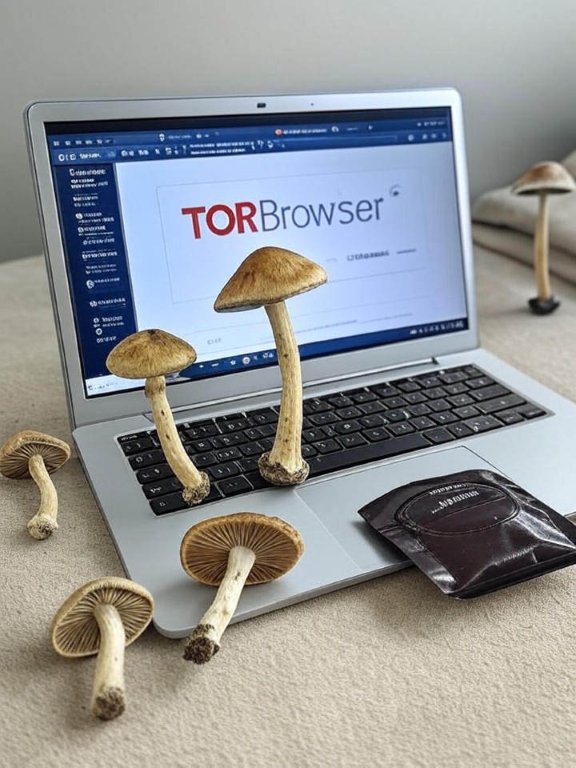
How Darknet Markets Make Drug Trade Safe and Easy
The architecture of a leading darknet marketplace is engineered for transaction reliability, which directly supports safe and private shopping with Bitcoin. This design is not accidental; a market's reputation and longevity depend on it. The system integrates several interdependent components.
First, the escrow service is fundamental. When a buyer initiates an order, their bitcoin is held in a secure, multi-signature escrow account controlled by the market. The funds are only released to the seller after the buyer confirms satisfactory receipt of the goods. This mechanism neutralizes the risk of fraud by either party, making a simple scam logistically impossible.
Second, a transparent user feedback and review system creates a self-regulating environment. Every transaction can be rated, and detailed reviews comment on product quality, shipping speed, and stealth. This generates a quantifiable trust score for each vendor. New buyers can therefore make informed decisions based on collective experience, promoting high-quality vendors to the top of search results and pushing unreliable ones out of business.
Third, the entire process is built around cryptocurrency, primarily Bitcoin or Monero, which provides inherent financial privacy. Transactions are pseudonymous and do not require the disclosure of personal banking details. When combined with the anonymity of the network itself, this creates a robust layer of privacy for both purchasing and selling activities.
The combination of these featuresescrow, feedback, and cryptocurrencyforms a closed-loop ecosystem. It incentivizes honest trade because a vendor's success is mathematically tied to their performance history. For the user seeking specific goods, this structure transforms a potentially risky endeavor into a standardized, efficient, and predictable e-commerce experience where reliability is the primary currency.