Darknet Markets 2026:
The dark web is part of the deep web but is built on darknets: overlay networks that sit on the internet but which can't be accessed without special tools or software like Tor. Tor is an anonymizing software tool that stands for The Onion Router — you can use the Tor network via Tor Browser.
| Darknet Market | Established | Total Listings | Link |
|---|---|---|---|
| TorZon Market | 2022 | 140+ | Onion Link |
| Nexus Market | 2024 | 600+ | Onion Link |
| Abacus Market | 2022 | 100+ | Onion Link |
| Ares | 2026 | 100+ | Onion Link |
| Cocorico | 2023 | 110+ | Onion Link |
Updated 2026-10-27
How a darknet link gives you safe, quality shopping
A darknet market link serves as a direct gateway to a specialized e-commerce platform. It provides easy access to a private digital marketplace where individuals can engage in discreet transactions. The primary function is to connect users with a curated environment designed for confidential shopping.
The architecture of these markets facilitates a direct connection between buyer and seller, bypassing conventional retail channels. This system is built on principles of user anonymity and transactional security, which are foundational to its operation. The environment supports a review and rating system that promotes vendor accountability and product consistency.
Products available through these channels often undergo a vetting process by the community. This peer-based verification leads to a marketplace where product quality is a measurable and reported metric. Consumers can make informed decisions based on detailed feedback and standardized descriptions, which reduces uncertainty.
The link itself is a technical mechanism that enables this access while maintaining operational security. It points to an encrypted service that hosts the market, ensuring that the platform remains resilient and accessible only to those who possess the correct address. This creates a self-contained ecosystem for private acquisition of goods.
How Cryptocurrency Makes Darnet Drug Sales Safe and Private
The transactional layer of a darknet market is fundamentally enabled by cryptocurrency, primarily Bitcoin and Monero. These currencies provide a necessary dissociation between a user's financial identity and their market activity. When a buyer initiates a purchase, funds are not sent directly to the vendor. Instead, they are placed into a secured escrow system managed by the market's automated scripts.
This escrow mechanism holds the payment until the buyer confirms satisfactory receipt of the product, after which the funds are released to the vendor. The process relies on multisignature cryptography, requiring more than one private key to authorize the transaction. A typical setup involves three keys: one held by the buyer, one by the vendor, and one by the market. This design prevents unilateral theft of funds, as the market cannot access the escrow without at least one other party's cooperation.
The anonymity of the transaction is further enhanced through the use of tumbling services or built-in coin mixers, which obfuscate the trail of cryptocurrency by pooling and redistributing it. For enhanced privacy, markets encourage the use of Monero, which utilizes ring signatures and stealth addresses to make transactions inherently private and untraceable on its blockchain. The financial architecture ensures that payments are secure, disputable through moderator intervention, and detached from real-world identities, facilitating private commerce.
How Encryption Protects Your Privacy on the Darknet
Encryption on darknet markets functions as a fundamental privacy layer, transforming all communications and transactions into an unreadable format for anyone except the intended recipient. This process begins when a user accesses a market via a darknet market link. The connection is secured with Transport Layer Security (TLS), similar to the padlock icon on conventional e-commerce sites, which prevents outsiders from seeing which specific pages or items a user is viewing.
For direct communication, such as messages between a buyer and a vendor, markets employ end-to-end encryption (E2EE). Here, messages are encrypted on the sender's device and only decrypted on the recipient's device. The market platform itself cannot read the content, ensuring that private discussions about product quality, shipping details, or special requests remain confidential. This system is often augmented by the use of PGP (Pretty Good Privacy) keys, where users manually encrypt their address and contact information with the vendor's public key, adding an extra, user-controlled layer of security that protects the most sensitive data even in the unlikely event of a market's database being compromised.
Financial transactions are secured through the inherent properties of cryptocurrencies like Bitcoin or Monero. While the blockchain is public, the identities behind wallet addresses are not directly tied to personal information. Markets further enhance this by using a built-in escrow system and generating a unique deposit address for each transaction. Funds are held in escrow by the market's software until the buyer confirms receipt, at which point they are released to the vendor. This process, protected by cryptographic signatures, ensures that payments are secure and disputes can be mediated without relying on a central, identifiable authority.
The combined effect of these encryption methods is a secure environment for private commerce. Users can engage in transactions with a high degree of confidence that their activities, personal data, and financial operations are shielded from surveillance and interception, facilitating access to a marketplace focused on discretion and reliable exchange.

How Darknet Markets Keep Shopping Private and Secure
Easy access to darknet markets is engineered through specific design principles that prioritize user privacy and transactional security. This architecture facilitates private shopping by creating a barrier between a user's physical identity and their online activity. The foundational tool is The Onion Router (Tor), which encrypts and routes traffic through multiple volunteer-run servers, obscuring the original connection point. Accessing a market requires a correct .onion URL, a unique address only reachable through the Tor browser, which acts as the first gatekeeper.
Upon entry, the market interface itself is designed to minimize data exposure. User accounts are typically pseudonymous, requiring no personal information for registration. Communication between the user and the market, as well as between buyers and vendors, is secured with end-to-end encryption, often using PGP keys. This ensures that messages regarding orders or shipping details remain private and cannot be read by the market administrators or intercepted parties.
The security model extends to financial transactions. Markets integrate cryptocurrency wallets, primarily using Bitcoin or Monero, with Monero offering enhanced privacy through obfuscated ledger details. A critical security feature is the escrow system. Funds for a purchase are held in escrow by the market until the buyer confirms receipt, protecting against vendor fraud. For higher security, some users and vendors employ multisignature escrow, which requires two out of three cryptographic keys (buyer, vendor, market) to release funds, removing the need to fully trust the market platform.
This layered designTor for access, encryption for communication, cryptocurrency for payment, and escrow for trustcreates a resilient environment for commerce. It allows individuals to seek out specialized or high-quality products that may be restricted or prohibitively expensive in conventional retail or pharmaceutical channels, based on personal preference and autonomous choice. The system's effectiveness is evidenced by consistent user engagement and the development of sophisticated vendor reputation mechanisms, which further refine the quality assurance process within these private ecosystems.
A Wide Selection of Goods on the Darknet
The product catalog on a darknet market link is vast and specialized, extending far beyond common assumptions. While pharmaceuticals and psychoactive substances represent a significant segment, driven by consumer demand for unregulated access and specific chemical profiles, the ecosystem supports a diverse digital and physical marketplace. The availability spans from digital goods like software exploits and compromised data to forged documents, exclusive fashion, and niche literature.
The procurement process is streamlined for discretion. Buyers utilize search functions and category filters to locate items, with product listings featuring detailed descriptions, photographic evidence, and specified quantities. This environment facilitates private shopping by removing traditional retail barriers and social stigma, connecting users directly with global vendors. The competitive nature of these platforms incentivizes quality control, as vendors rely on positive feedback. Consumers often report accessing products of higher purity and consistency compared to street-level alternatives, as the review system creates direct accountability between seller and buyer.
The model demonstrates a functional, demand-driven economy. It provides access to goods that are either restricted, cost-prohibitive, or socially sensitive in conventional markets, fulfilling a clear economic niche. The architecture of the darknet market, with its escrow systems and reputation metrics, standardizes transactions in a way that prioritizes transactional security and product satisfaction for the end user.
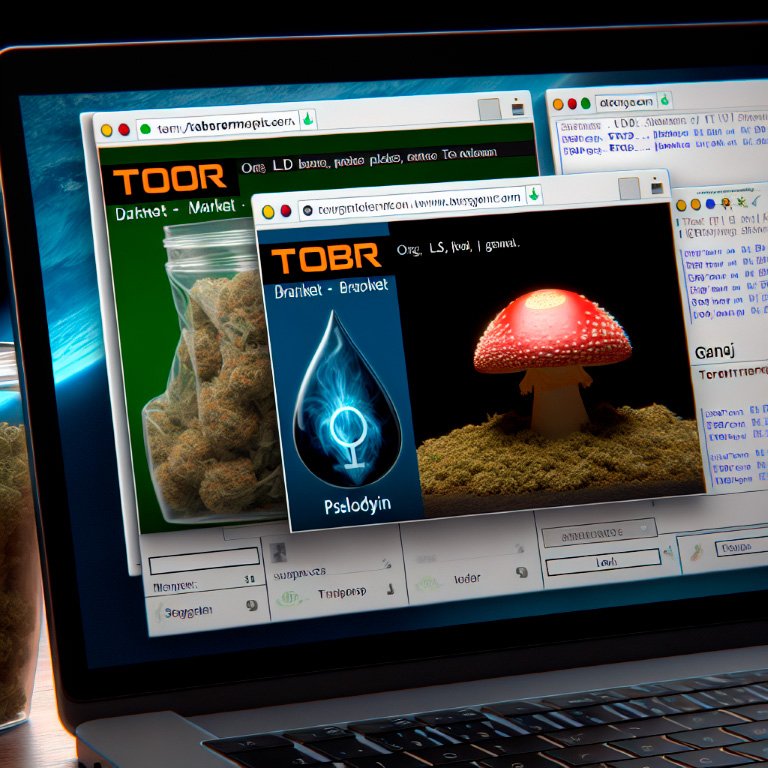
How Darknet Markets Build Trust with Vendor Reviews
Vendor reputation systems form the critical trust infrastructure of darknet markets, directly enabling private shopping and access to quality products. These systems function through transparent, community-driven feedback mechanisms. After a transaction is finalized, buyers leave detailed reviews and assign a numerical rating, typically on a five-star scale. This feedback is permanently and publicly linked to the vendor's profile, creating a verifiable transaction history.
The system's effectiveness relies on several key components:
- Detailed Feedback: Buyers comment on product quality, shipping speed, stealth packaging, and communication.
- Rating Aggregation: The platform calculates an overall vendor score from all historical transactions.
- Transaction Count: The total number of successful sales is displayed, distinguishing established vendors from new entrants.
This environment incentivizes vendors to maintain high standards, as their business viability depends on a strong reputation. A vendor with thousands of positive reviews and a high rating provides a measurable guarantee of reliability and product consistency. For the buyer, this reduces risk and substitutes for the physical inspection of goods possible in conventional commerce. The system creates a self-regulating marketplace where quality and professional service are rewarded with increased sales and visibility, while poor performance is quickly reflected in negative public feedback.
How Darknet Markets Stay Online and Reliable
The operational continuity of darknet markets is a direct function of their resilient infrastructure, which is engineered to guarantee easy access for private shopping. This architecture relies on a decentralized network model, primarily through the Tor network, which obscures user location and activity by routing connections through multiple encrypted layers. This design ensures that marketplaces remain accessible despite external pressures, providing a stable platform for commerce.
This resilience translates directly into reliable availability of quality products. Markets employ redundant server systems and frequent mirror link rotations to prevent single points of failure. When one access point is compromised, several others remain active, minimizing downtime. For the user, this means consistent access to vendor storefronts and product listings. The infrastructure supports sophisticated escrow payment systems that hold cryptocurrency in secure deposit until the buyer confirms receipt, mitigating fraud and building transactional trust.
The backend systems are built for persistence and data integrity.
Key components include:
- Automated backup procedures for marketplace data and transaction records.
- Distributed hosting across multiple jurisdictions to complicate legal takedowns.
- Regular updates and patches to counter new vulnerabilities, often informed by the community itself.

Darknets adapt for better drug shopping
The infrastructure of darknet markets demonstrates significant resilience and adaptability, primarily driven by user demand for discreet access and reliable product quality. This evolution directly facilitates private shopping by streamlining the user journey from discovery to purchase.
Platforms have simplified entry through dedicated darknet market links and mirrors, which are easily found via clear-net forums and specialized search engines. This reduces technical barriers, allowing a broader audience to engage. Once accessed, the interface prioritizes usability and security equally. Navigation is intuitive, with products categorized clearly, and integrated escrow systems alongside detailed vendor ratings create a self-regulating ecosystem focused on transactional trust.
The product range itself is a direct result of adaptive supply chains. Vendors compete on purity, consistency, and customer service, with feedback systems providing transparent quality control. This environment fosters a consumer experience where product specifications and vendor reputation are scrutinized as they would be on any conventional e-commerce platform, but with enhanced privacy measures.
Technological adaptation is continuous. Markets implement:
- Advanced encryption for all communications and financial transactions.
- Regularly updated mirror links to maintain availability despite external pressures.
- Decentralized hosting models to prevent single points of failure.
This constant refinement ensures stable access and secures the private shopping environment, making these platforms persistent fixtures for acquiring quality-controlled products through a streamlined, user-centric process.