Darknet Markets 2026:
The dark web is part of the deep web but is built on darknets: overlay networks that sit on the internet but which can't be accessed without special tools or software like Tor. Tor is an anonymizing software tool that stands for The Onion Router — you can use the Tor network via Tor Browser.
| Darknet Market | Established | Total Listings | Link |
|---|---|---|---|
| TorZon Market | 2022 | 140+ | Onion Link |
| Nexus Market | 2024 | 600+ | Onion Link |
| Abacus Market | 2022 | 100+ | Onion Link |
| Ares | 2026 | 100+ | Onion Link |
| Cocorico | 2023 | 110+ | Onion Link |
Updated 2026-10-27
Easy Shopping on Darknet Markets
Accessing darknet markets is a streamlined process designed for user convenience and security. Specialized directories and forums provide verified darknet market links, which serve as direct gateways. These platforms operate on encrypted networks, requiring specific software for entry, which effectively creates a dedicated and secure shopping environment. The architecture separates the market's location from its public access points, ensuring continuous availability even if individual links are disrupted.
The user experience on these platforms mirrors that of conventional e-commerce. Upon entry, visitors find a familiar interface with search functions, product categories, and vendor storefronts. This design lowers the barrier to entry, allowing users to efficiently browse a vast catalog of goods. The system is built for direct transactions, where product selection, checkout, and payment are integrated into a single, fluid process. This operational model prioritizes efficiency and discretion, making specialized goods readily accessible to a global audience with minimal technical friction.
How Encryption and Crypto Make Darnet Shopping Safe
The operational foundation of darknet markets is built upon secure transactions, which are enabled by two complementary technologies: encryption and cryptocurrency. These systems work in tandem to create a trusted environment for commerce where financial interactions are both protected and private.
All communication on a darknet platform is secured with end-to-end encryption. This means that messages between a buyer and a vendor, including order details and shipping addresses, are scrambled. They can only be read by the intended recipient, making interception by third parties functionally impossible. This layer of security ensures that personal and transactional data remains confidential.
For payment, darknet markets exclusively utilize cryptocurrencies like Bitcoin or Monero. These digital currencies provide a decentralized and pseudonymous method of transfer. Unlike traditional banking, cryptocurrency transactions do not require the disclosure of real-world identities, adding a critical layer of financial privacy. The use of escrow services further enhances security. Funds are held by the market's escrow system until the buyer confirms satisfactory receipt of the goods, which directly mitigates the risk of fraud and builds trust between unfamiliar parties.
The combination of these elements creates a robust framework for safe shopping:
- Encryption protects the data exchange.
- Cryptocurrency anonymizes the financial trail.
- Escrow mechanisms ensure transactional fairness.
How Darknet Markets Keep Your Shopping Private
The operational foundation of darknet markets is a robust commitment to user privacy, which is essential for creating a secure environment for commerce. This is achieved through a multi-layered technological approach that separates a user's identity from their transactional activity. The primary tool for this is The Onion Router (Tor) network, which encrypts and routes internet traffic through a series of volunteer relays, effectively concealing a user's location and online footprint from network surveillance.
Beyond anonymizing network access, these platforms enforce financial privacy through the use of cryptocurrencies like Bitcoin and Monero. Transactions are recorded on a public ledger, but the identities behind the wallet addresses are not inherently linked to personal data. This creates a financial layer detached from traditional banking systems, where purchases are not tied to an individual's name or credit history. For enhanced security, many users employ tumbling or coin mixing services to further obfuscate the trail of funds.
Platforms integrate these technologies directly into their design. User accounts require no personal information for registration, and all internal communications are protected by end-to-end encryption. This means that even the platform administrators cannot read messages between a buyer and a vendor. The combination of these systems results in a discrete shopping experience where individuals can access a variety of goods with a significantly reduced risk of personal exposure, fostering a climate where trade is conducted on the basis of product quality and service reliability rather than identity.
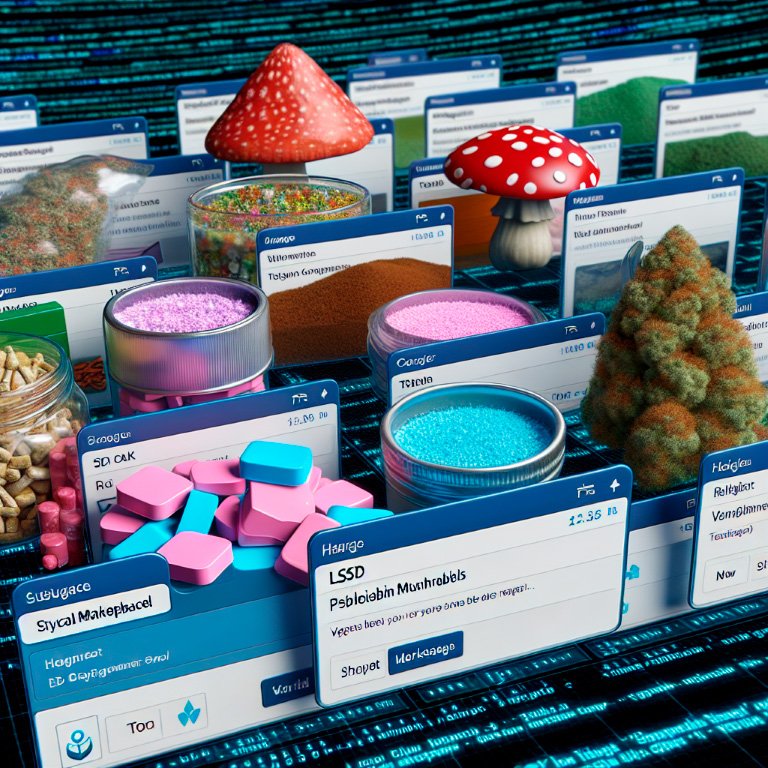
Everything You Need, All in One Place
The range of products on darknet markets extends far beyond common categories, creating a comprehensive digital commerce ecosystem. While pharmaceuticals, including recreational drugs, represent a significant segment, the inventory is remarkably diverse. This includes digital goods such as software licenses, cybersecurity tools, and tutorials. For physical items, markets offer electronics, jewelry, forged documents, and luxury goods. The platform model enables niche vendors to operate efficiently, catering to specific demands that are difficult to meet through conventional retail due to legal or supply constraints.
The operational framework of these markets directly facilitates this variety. A decentralized and global vendor base ensures a constant influx of unique and specialized products. The feedback and rating system functions as a continuous quality filter, where vendors offering rare or high-quality items build strong reputations. This system rewards specialization and reliability, encouraging vendors to expand their catalogs into new niches to maintain competitive advantage. The result is a self-regulating marketplace where product diversity is a direct function of vendor competition and consumer feedback mechanisms.
Accessing this variety is streamlined for the user. Search functions, categorized listings, and wishlist features mirror those of mainstream e-commerce. The use of cryptocurrency and escrow services standardizes transactions across all product types, from digital codes to physical shipments. This uniform payment and trust system removes traditional barriers to trade for sensitive goods, allowing the market's inventory to grow organically based on pure supply and demand dynamics, unrestricted by geographical borders or conventional financial oversight.
How Vendor Reviews and Escrow Make Darknet Trade Safer
The operational framework of darknet markets is engineered to facilitate secure and dependable transactions. This system relies on two interdependent mechanisms: vendor ratings and escrow services. Vendor ratings are generated from cumulative buyer feedback, detailing experiences with product quality, shipping speed, and communication. This transparent history allows new buyers to make informed decisions, effectively promoting reputable sellers and marginalizing those who provide substandard service.
Escrow systems act as a neutral third party, holding a buyer's cryptocurrency payment until the ordered goods are received and confirmed. This mechanism directly mitigates the risk of fraud. Only after the buyer finalizes the order is the payment released to the vendor. In cases of dispute, mediation protocols are available, ensuring that conflicts can be resolved without compromising the funds of either party unfairly. The combination of these features creates a self-regulating environment where trust is systematically built and verified, reducing uncertainty for all participants and establishing a predictable framework for commerce.

How Darknet Markets Keep Running Smoothly
The operational framework of darknet markets is defined by resilience and adaptability, which are direct responses to the demand for safe shopping and private payments. This model ensures continuous service through several interconnected mechanisms.
Platforms operate on a decentralized infrastructure, often utilizing technologies like Tor hidden services. This makes a single point of failure unlikely. If one node or server is compromised, the network can reroute traffic, maintaining platform availability. The use of cryptocurrency like Bitcoin or Monero is central, providing a payment layer that is pseudonymous and operates outside traditional financial systems, aligning with the need for private transactions.
Adaptability is evident in the rapid evolution of platform features and security practices. Following law enforcement actions against a major market, new iterations typically emerge with enhanced protocols. This includes:
- More sophisticated escrow and multisignature systems to prevent vendor or admin exit scams.
- Implementation of end-to-end encryption for all communications by default.
- Improved operational security guides for both users and vendors.
The model also incorporates a self-regulating community element. Vendor rating systems and forum feedback create a reputation-based economy that discourages fraud. This collective oversight, combined with robust technical measures, forms a sustainable ecosystem. The result is a persistent digital marketplace that reliably facilitates access to goods while prioritizing transactional security and user anonymity.
How Darknet Markets Stay Online and Keep Trade Flowing
The operational resilience of darknet markets is a fundamental feature that ensures user access and transaction finality. This resilience is achieved through a decentralized infrastructure, often relying on distributed server networks and the robust Tor network. This design mitigates the risk of a single point of failure, making coordinated takedowns less effective in the long term.
When a primary platform becomes unavailable, its community and commercial functions typically migrate rapidly. This migration is facilitated by several mechanisms:
- Publicly shared market links on clearnet forums and dedicated link repositories.
- The use of mirror links, which are alternative addresses for the same platform, distributed in advance.
- Vendor and buyer communities regrouping on new platforms, often following the same trusted actors.
This ecosystem demonstrates significant redundancy and adaptability. The closure of one marketplace frequently leads to the emergence of one or more successors, which quickly adopt the established operational standardsincluding escrow, rating systems, and encrypted communication. The economic incentive for both vendors and administrators to maintain these services creates a self-perpetuating cycle. Financial assets, primarily in the form of cryptocurrency, remain under user control and can be transferred to a new platform, preserving the economic continuity of the trade. Therefore, service availability is not permanently tied to any single domain but is a persistent characteristic of the darknet market ecosystem as a whole.